Thursday, February 16, 2023 |
|
|
Hello Health Rounds readers! Women may soon have a new non-hormonal option to help curb menopause hot flashes and night sweats, if a drug that did well in a recent large trial wins approval. We also report today on studies suggesting that strong painkillers are safe after childbirth and that an anti-nausea drug used by pregnant women in the 1960s and 1970s raised the risk of their offspring getting colorectal cancer in adulthood. In breaking news, see these stories from our Reuters journalists: Pregnancy-related deaths surged in the U.S. during pandemic; judge considers banning abortion pill in U.S.; President Biden pledges more drug price cuts; and Alzheimer's Association lobbies for Medicare coverage of dementia drugs. |
|
|
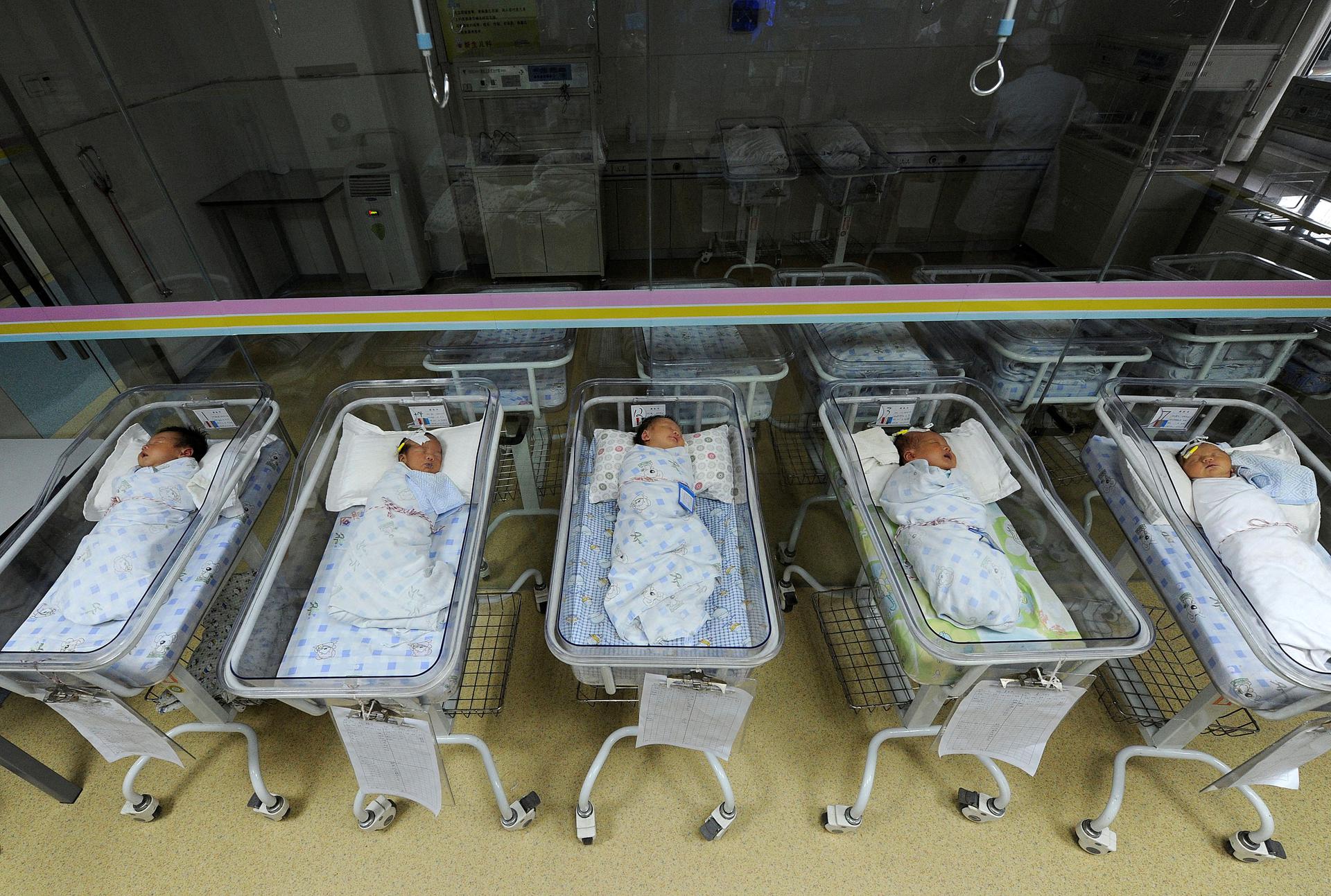
Newborns are not harmed when their mothers use opioids after childbirth, researchers say. REUTERS/Stringer/File Photo. |
|
|
New drug reduces menopause hot flashes |
An experimental non-hormonal pill successfully reduced hot flashes and night sweats in menopausal women in a large late-stage trial, researchers reported on Monday in The Lancet. Extended use of hormone therapy, while effective, has been linked with a small but significant risk of breast cancer. The drug, fezolinetant, developed by Japanese drugmaker Astellas Pharma, is designed to block a chemical that modulates nerve cell activity in the part of the brain that regulates body temperature. It is under review by regulators in the U.S., Europe and Australia, with a decision by the U.S. Food and Drug Administration expected in May. At more than 97 hospitals in the United States, Canada and Europe, 527 predominantly white women ages 40 to 65 with an average of seven or more moderate-to-severe hot flashes per day were randomly assigned receive 30 mg or 45 mg of fezolinetant or a placebo daily for 12 weeks. Both doses produced significant improvements in hot flash and night sweats frequency and severity compared to placebo, with effects seen as early as the first week, Dr. Genevieve Neal-Perry of the University of North Carolina School of Medicine reported. After the 12 weeks, the two treatment groups continued to take the medication every day for another 40 weeks. The early improvements were maintained throughout the entire 52-week study period, researchers said. A questionnaire for assessing menopause-specific quality of life showed "significant and clinically meaningful improvement" for those taking fezolinetant. Results of the trial add evidence that drugs in the class of fezolinetant known as NK3R antagonists will provide a safe and effective approach to treat menopause symptoms "in future clinical practice, without the need for estrogen exposure," Dr. Julia Prague of the University of Exeter in the UK wrote in an editorial. A similar study of fezolinetant in Asia "did not show the same levels of efficacy as observed in predominantly white Americans and Europeans," she noted, so it is not clear whether the results will be the same for everyone. |
|
|
Essential Reading on Reuters.com |
|
|
1960s-70s pregnancy drug tied to colon cancer in adult offspring |
An anti-nausea drug used by pregnant women in the 1960s and 1970s may have increased the risk for colorectal cancer in their offspring, a new study suggests. Colorectal cancer rates are more than three times higher in adults exposed to the drug in utero than in those whose mothers did not use the medication while pregnant, researchers reported in JNCI Cancer Spectrum. Since the mid-1990s, new cases of colon cancer in adults under age 50 have been on the rise, and the findings may at least partly explain that trend, the researchers say. They analyzed data from a multi-generational study that tracked more than 14,500 pregnant women (who bore 18,751 children) in Oakland, California, between 1959 and 1967. About 5% of their children were exposed in utero to Merrell Dow Pharmaceuticals' Bendectin, which at that time contained a combination of three anti-nausea medications: doxylamine, pyridoxine and dicyclomine. Dicyclomine was removed from the drug in 1976 following lawsuits charging it caused gastrointestinal birth defects, before the medicine was pulled from the market entirely in 1983. The higher risk of colorectal cancer in offspring exposed to the drug may be driven by dicyclomine, which is suspected to directly target the developing gastrointestinal tract of the fetus, study leader Caitlin Murphy of UTHealth Houston School of Public Health said in a statement. "As many as 25% of pregnant women received Bendectin through the mid-1970s," Murphy said, "and there may be long-lasting consequences for offspring that continue today." |
Opioids for childbirth pain don't add risk to newborns |
Mothers of newborns can use opioid painkillers after delivery without fear of severe adverse effects on their newborns, a large study from Canada suggests. Researchers studied data collected between 2012 and 2020 on babies born to 85,852 mothers who filled an opioid prescription within seven days of hospital discharge and 538,815 similar mothers who did not. More than 80% of the women had delivered via cesarean section. Among the mothers prescribed opioids, 42% received oxycodone, 20% codeine, 19% morphine, and 12% hydromorphone, with an average supply of three days. After accounting for the babies' other risk factors, infants born to mothers who used the painkillers were less than one-half of one percent more likely to be taken to the emergency department. There was no difference between the groups in the proportion of infants who had to be re-hospitalized for feeding problems, or for any reason, within 30 days, the researchers reported on Wednesday in The BMJ. There were also no differences between the groups in breathing problems or admission to a neonatal intensive care unit, and no infants died. The researchers lacked information on how much the mothers actually used the prescribed drugs or their breastfeeding status, but noted initial breastfeeding rates in Canada are in the range of 90%. While the results are reassuring, the researchers urge that the drugs be prescribed cautiously, and only for brief periods. An editorial published with the study noted that amounts of opioids that end up in breast milk is very low, so toxic effects are generally unlikely. The study shows "opioids do not present a unique hazard for infants of breastfeeding mothers," it said. This newsletter was edited by Bill Berkrot. |
|
|
We think you may like this: | Reuters Daily Briefing All the news you need to start your weekdays. |
|
|
Sponsors are not involved in the creation of newsletters or other Reuters news content. |
Reuters Health Rounds is sent twice a week. Think your friend or colleague should know about us? Forward this newsletter to them. They can also sign up here. Want to stop receiving this newsletter? Unsubscribe here.
To manage which newsletters you're signed up for, click here. |
Follow Reuters on social media |
|
|
|