Thursday, February 9, 2023 |
|
|
Hello Health Rounds readers! Thousands of doctors and researchers involved in the care of patients with stroke worldwide have gathered in Dallas or are tuning in virtually for the three-day American Stroke Association's International Stroke Conference. The meeting features more than 1,500 presentations on new research for better understanding why people have strokes and the development of better treatments. Choosing which new findings to share with you here is very challenging. Today we have focused on three that meeting organizers have flagged as particularly worthwhile. |
|
|
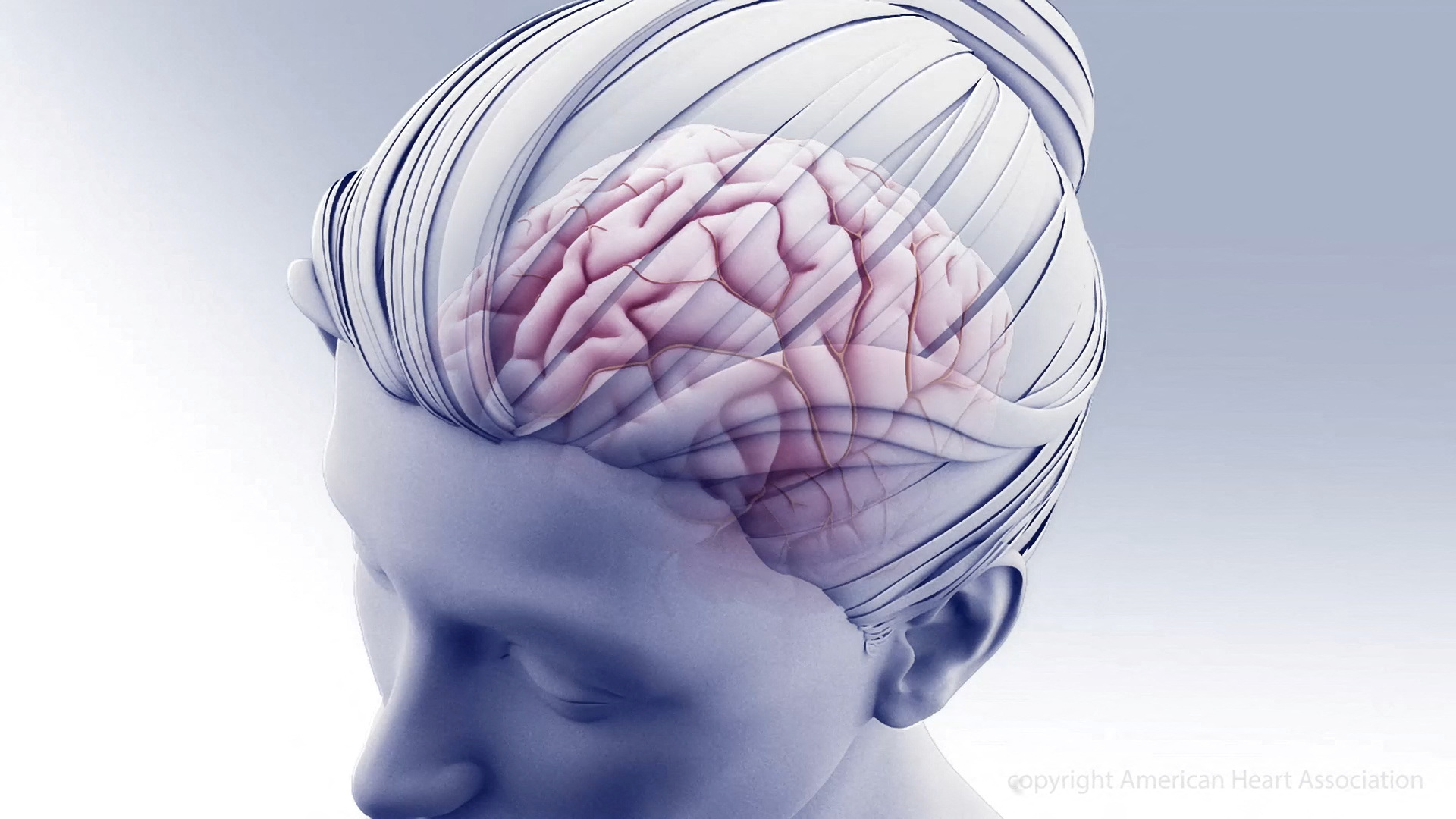
At this week's International Stroke Conference, researchers from around the world are gathering to find ways to better prevent and treat brain-damaging strokes. American Heart Association/Handout via REUTERS. |
|
|
New drug reduces stroke damage in mid-stage trial |
An experimental medication designed to shield brain tissue from inflammation damage led to lower rates of death and disability in stroke patients in a mid-stage trial, researchers reported on Wednesday at the International Stroke Conference in Dallas. "If the results are confirmed with larger studies, it will mean that we can effectively treat patients with neuroprotectants, in addition to current standard treatments to restore blood flow," Macarena Hernandez of Madrid-based ataTargets SL., the company developing the drug, said in a statement. "Both kinds of treatments may be combined, and neuroprotectants will buy time, reducing brain damage until blood flow is restored." In the randomized trial conducted at 15 hospitals in France and Spain in 2021 and 2022, more than 150 adults with stroke due to a blockage in an artery carrying blood to the brain were randomly assigned to receive a high dose of the "neuroprotectant" drug ApTOLL, a low dose, or a placebo. Within six hours of symptom onset, all participants also underwent mechanical blood clot removal, which is the standard treatment. Three days later, imaging tests showed a 40% greater reduction in damaged brain tissue in the group that received the higher dose of ApTOLL than in the group that received a placebo. At three months, the death rate was 4% in patients who received the high dose, compared with 18% among patients who received a placebo, and 64% of participants who received the higher dose were free of disability, compared to 47% of those in the placebo group. The lower dose of the drug showed no significant effect. "For the first time, a medicine studied as a neuroprotectant demonstrated not only a biological benefit by reducing the volume of damaged brain tissue, but also a reduction in long-term disability and risk of death," study leader Dr. Marc Riboof of Hospital Vall d'Hebron in Barcelona said in a statement. |
|
|
Risk factor for recurrent stroke often goes undetected |
One in five survivors of strokes caused by clots in brain arteries will suffer atrial fibrillation, a heart rhythm problem that raises the risk for another stroke, over the next three years, yet these patients do not routinely have their heart rate monitored, researchers said at the stroke meeting on Wednesday. Their study included 492 adults without atrial fibrillation who had a so-called ischemic stroke. Half were randomly assigned to receive standard care. The other half received an insertable cardiac monitor manufactured by study sponsor Medtronic Plc that recorded their heart rhythm 24-hours-a-day for three years. The monitoring device detected atrial fibrillation in more than 20% of participants, while standard follow-up care detected it in only about 2.5%. The study was not designed to detect differences in rates of recurrent stroke, and the findings do not prove that stroke patients would benefit from years of 24-hour heart monitoring. The results do show, however, that atrial fibrillation rates increased over the course of the three years, and that most cases are likely missed, the researchers said. Symptoms may include heart palpitations, dizziness, chest pain and shortness of breath, although many people do not notice any symptoms. "More than 80% of patients in our study didn't have any symptoms of fibrillation, we just captured it on the monitor," study leader Dr. Lee Schwamm of Harvard Medical School said in a statement. While there is still much to learn about why some people suffer a second stroke, he said, "this study contributes important information to one potential cause - namely, unsuspected atrial fibrillation." Many patients are already at increased risk for recurrent strokes due to such factors as hypertension, high cholesterol and high blood pressure, he added. "What we need to sort out is what additional risk does atrial fibrillation add, and can the use of anticoagulation reduce that risk." |
Stroke clots in COVID-19 patients contain coronavirus pieces |
In stroke-causing blood clots extracted from patients with COVID-19, researchers have found the spike protein of the coronavirus attached to fibrin, a specialized protein that is a major component of all blood clots. "Patients with COVID-19 have an increased risk of developing life-threatening blood clots, including those that cause strokes or heart attacks. Unfortunately, medications used to prevent and treat blood clots are often less effective in patients with COVID-19 than in other patients," said study leader Dr. Cheryl Maier of Emory University in Atlanta. "We wondered if this might be due to differences in clot composition related to SARS-CoV-2, the virus that causes COVID-19," she said. In a presentation on Wednesday at the stroke meeting, her team reported on COVID-19 patients with strokes who underwent thrombectomy to remove their clots and restore blood flow to the brain. "We examined the clots using a high-powered electron microscope and compared them to stroke clots from patients without COVID," Maier said. SARS-CoV-2 antigens - the particles that trigger responses from the immune system - have been detected in the blood of COVID-19 patients, but this is the first time the viral proteins have been found incorporated within clots, she said. "We are continuing to investigate the role of viral antigens in promoting blood clots in COVID-19, including the consequences on clot architecture and response to anti-clotting therapies, with the goal of improving treatment options and patient outcomes," Maier said. This newsletter was edited by Bill Berkrot. |
|
|
Essential Reading on Reuters.com |
|
|
We think you may like this: |
Reuters Daily Briefing All the news you need to start your weekdays. | |
|
Sponsors are not involved in the creation of newsletters or other Reuters news content. |
Reuters Health Rounds is sent twice a week. Think your friend or colleague should know about us? Forward this newsletter to them. They can also sign up here. Want to stop receiving this newsletter? Unsubscribe here.
To manage which newsletters you're signed up for, click here. |
Follow Reuters on social media |
|
|
|