An artificial pancreas to help control blood sugar for people with type 2 diabetes who require insulin is coming closer to reality, researchers reported on Wednesday in Nature Medicine.
In a preliminary trial, 26 patients who used the artificial pancreas saw the amount of time spent with appropriate glucose levels double compared to when they managed their insulin doses on their own.
The artificial pancreas is a fully closed loop system, which means that unlike devices for people with type 1 diabetes, it doesn't require inputting information about meals and exercise. Instead, it employs an algorithm that predicts patients' insulin requirements. While most of the hundreds of millions of people with type 2 diabetes manage it with diet changes and oral medicines, if not well controlled the disease can progress until insulin becomes necessary.
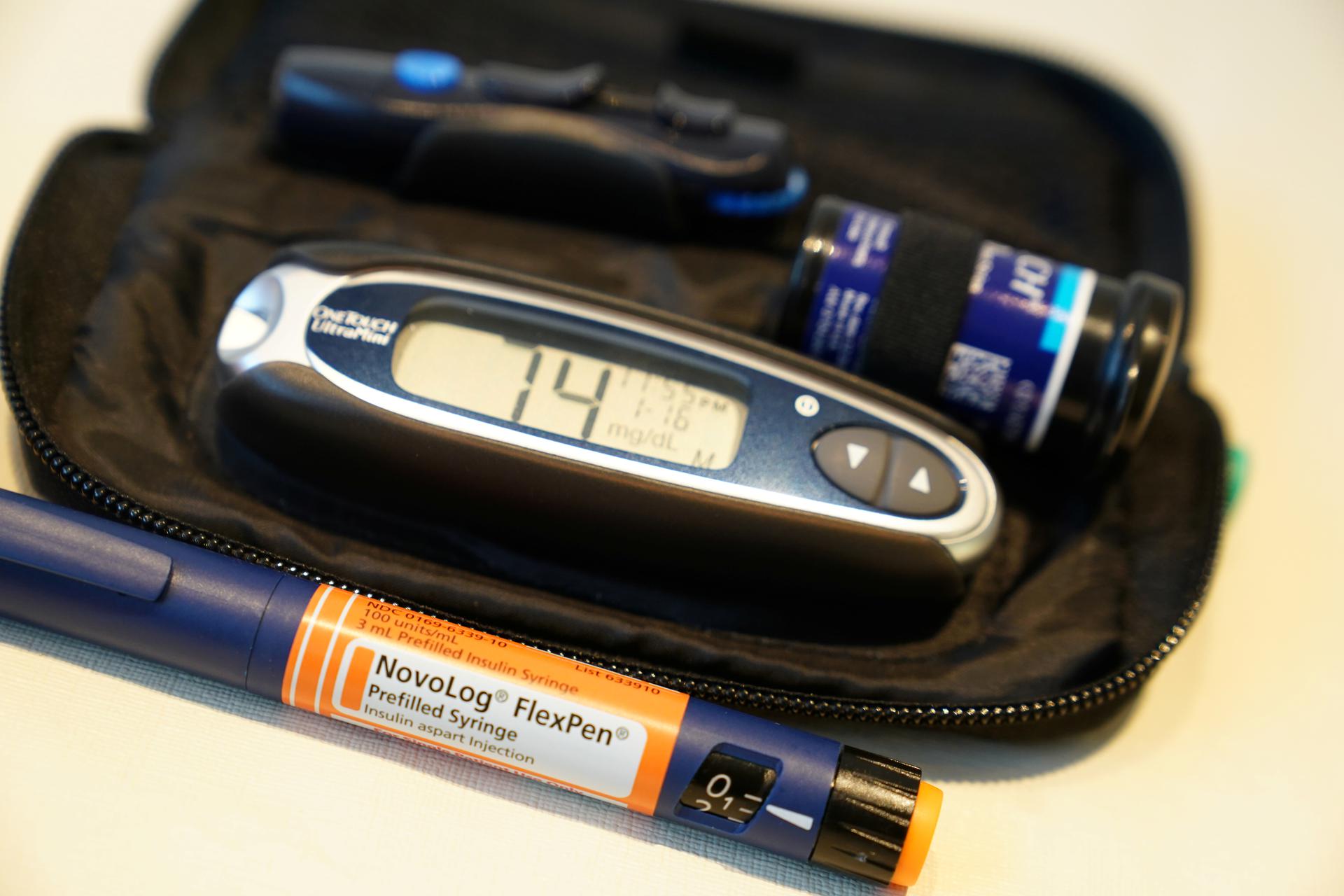
The experimental system uses an off-the-shelf glucose monitor from Dexcom Inc, an insulin pump from SOOIL Development Co, and an app developed at University of Cambridge, UK. Participants used the new device for eight weeks. During a second 8-week period without it, they performed their usual fingertip pricks and gave themselves injections.
On average, with the artificial pancreas glucose levels were in the target range 66% of the time and too high 33% of the time. With usual self-care, glucose levels stayed in range only 32% of the time and were elevated 67% of the time. There were no episodes of dangerously low blood sugar using the device.
The researchers are now planning a larger, longer study and have submitted the system for regulatory approval.
About 90% to 95% of people with diabetes have type 2, which has been linked with obesity. Although it most often develops after age 45, the illness is increasingly occurring in children and young adults.